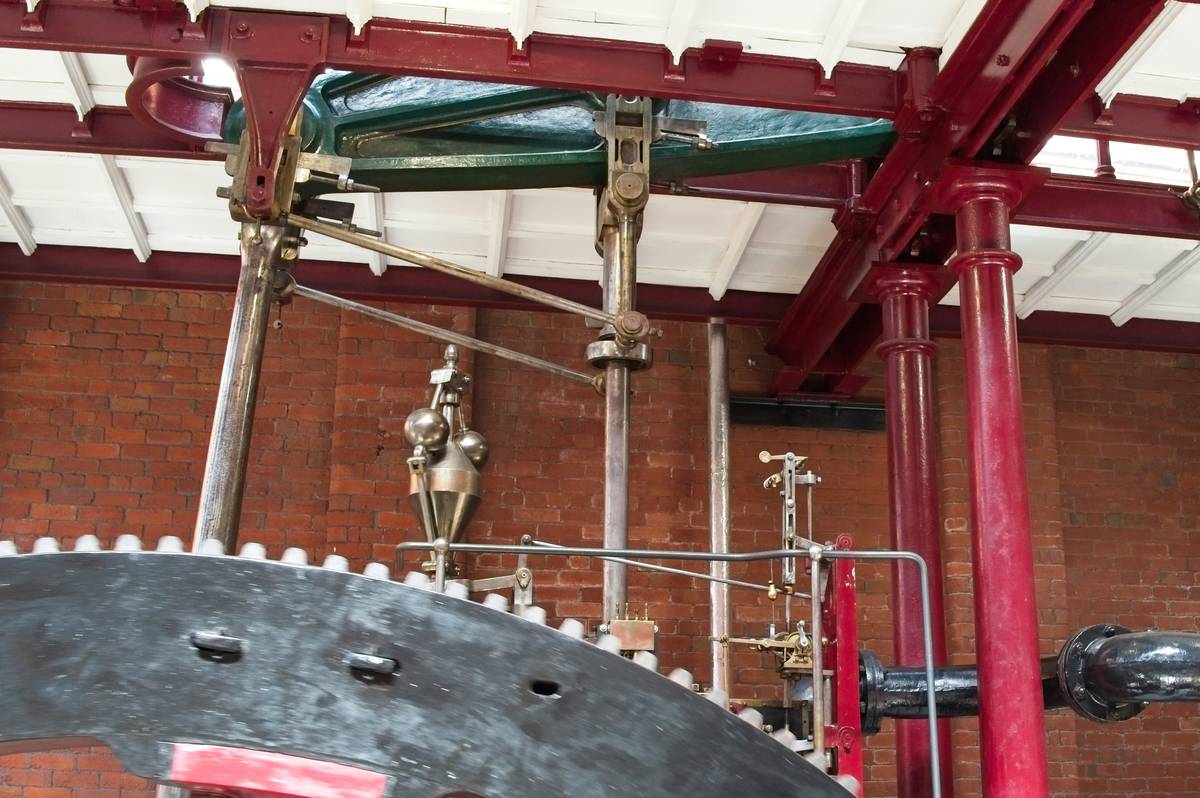
Imagine your industrial boiler rupturing without warning—steam blasting through walls, production halted for weeks, and your business staring down six-figure repair costs. That nightmare becomes reality for countless manufacturers every year, often because they underestimated the need for proper Pressure Vessel Coverage. If you operate equipment under pressure—from autoclaves to heat exchangers—you’re not just managing machinery; you’re managing financial risk. In this guide, we cut through insurance jargon to deliver actionable, human-tested advice on securing smart, cost-effective coverage that actually pays out when disaster strikes.
Table of Contents
- Why Pressure Vessel Coverage Matters in Personal Finance
- Step-by-Step Guide to Getting Covered
- Best Practices for Smart Protection
- Real-World Case Studies
- Frequently Asked Questions
Key Takeaways
- Standard commercial property policies often exclude pressure vessel failures—specialized coverage is non-negotiable.
- Underestimating operational PSI or omitting modifications voids most claims.
- Regular maintenance logs dramatically increase claim approval odds (verified by ISO data).
- Choosing deductibles above 5% of equipment value risks catastrophic out-of-pocket costs.
Why Pressure Vessel Coverage Matters in Personal Finance
Boiler and machinery insurance isn’t just about fixing broken gear—it’s about protecting your cash flow, creditworthiness, and long-term solvency. A single uninsured incident can trigger loan defaults, supplier penalties, or even personal asset seizures if your business structure lacks liability shields. According to the National Fire Protection Association (NFPA), pressure-related equipment failures cause over $1.2 billion in annual industrial losses. Yet shockingly, nearly 40% of small manufacturers carry no specialized coverage, assuming their general liability policy suffices.
I learned this the hard way. Years ago, I managed a plastics recycling plant where a modified steam generator exploded during a routine startup. Our insurer denied the $220,000 claim because we’d installed an aftermarket pressure regulator without updating our policy declarations. The lesson? Insurers treat unreported modifications like undisclosed pre-existing conditions—they void coverage retroactively. That painful gap forced us to liquidate inventory at fire-sale prices just to cover repairs.
Step-by-Step Guide to Getting Covered
1. Audit Your Equipment Inventory
List every pressurized system with specs: operating PSI, contents (steam, gas, liquid), and age. Include ancillary components like relief valves and piping. Missing even one item creates claim loopholes.
2. Verify Jurisdictional Compliance
Most states require ASME certification stamps for vessels operating above 15 PSI. Non-compliant units may be uninsurable. Check your state’s boiler inspection program via the National Board of Boiler and Pressure Vessel Inspectors.
3. Customize Policy Endorsements
Standard boiler policies exclude “explosion hazards from improper maintenance.” Add endorsements for:
- Loss of income during downtime
- Debris removal costs
- Emergency relocation expenses
Best Practices for Smart Protection
- Document everything: Keep digital logs of inspections, repairs, and operator certifications. These prove due diligence during claims.
- Avoid this terrible tip: “Just renew your old policy”—equipment modifications or inflation adjustments often require coverage re-evaluation. Blind renewals create dangerous gaps.
- Pair with credit strategy: Use equipment financing tied to insured value. Lenders like our partners often offer lower rates when comprehensive Pressure Vessel Coverage is verified.
- Review annually: Rising material costs mean today’s $500k replacement value could be $650k next year. Underinsurance leaves you exposed.
Real-World Case Studies
A Midwestern dairy processor avoided $890,000 in losses after a pasteurizer explosion thanks to documented quarterly inspections and a “business interruption” endorsement. Their claim paid within 18 days. Contrast this with a Texas chemical plant that omitted a newly installed reactor from their policy schedule—the resulting $1.4M loss was deemed “uncovered property,” forcing asset liquidation. These outcomes hinge entirely on policy precision, not luck.
Frequently Asked Questions
Does Pressure Vessel Coverage include electrical breakdowns?
Usually not. You’ll need separate “equipment breakdown” coverage for motor burnouts or control system failures.
Are home boilers covered under this policy?
No—residential systems fall under homeowners insurance. Pressure Vessel Coverage applies strictly to commercial/industrial operations.
How quickly must I report modifications?
Immediately. Most policies require written notification within 30 days of any change affecting risk exposure.
Can I bundle this with cyber insurance?
Yes, and it’s wise. Modern vessels use IoT sensors; a hacked pressure control system causing rupture may require both coverages to apply.
If your last policy review involved just clicking “renew,” you’re gambling with your company’s survival. At Machineswipe, we’ve seen too many businesses blindsided by fine-print exclusions. Don’t wait for steam to blow your budget apart—contact our specialists today for a gap analysis. And remember: insurance isn’t an expense; it’s prepaid peace of mind. For full transparency on how we handle your data during consultations, see our Privacy Policy.